
Expert Sewing Support
Chat with us anytime!

If you sew, quilt, embroider, alter clothing, or work on fabric projects, you already know one thing:
Removing stitches by hand can be painfully slow.
Traditional seam rippers work, but they can also be frustrating, time-consuming, and risky if you accidentally cut the fabric instead of the thread.
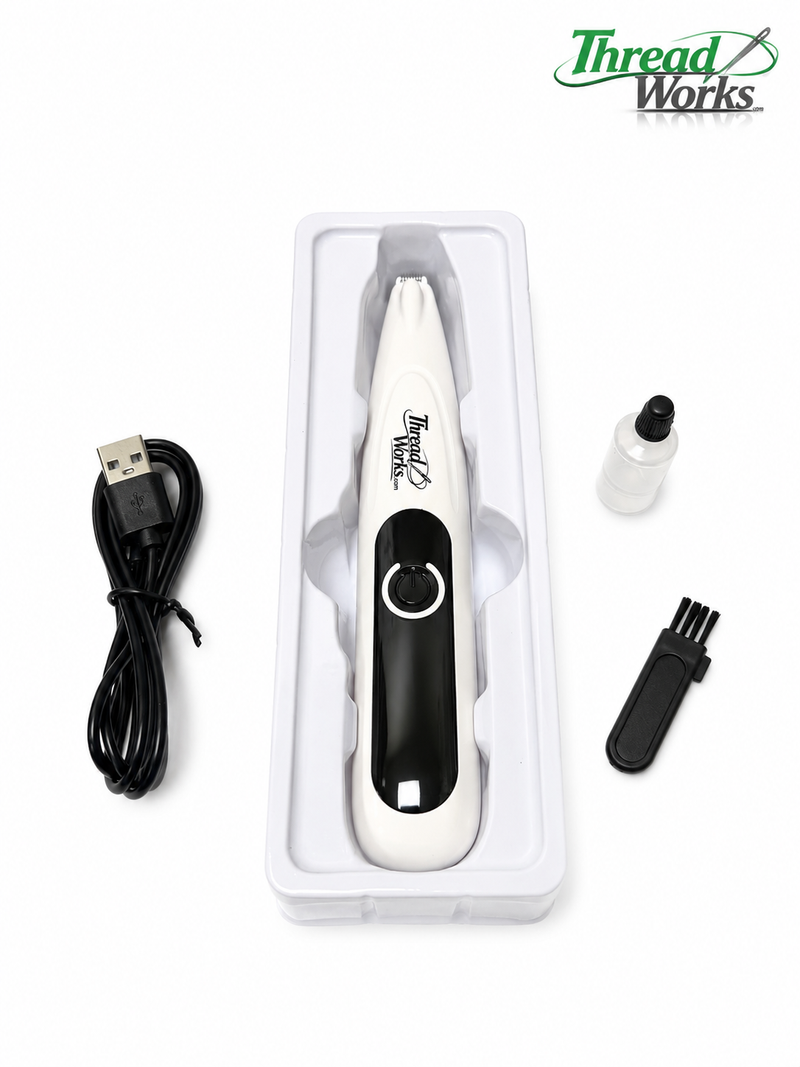
That is exactly why we created the ThreadWorks Rip-A-Stitch™ Electric Seam Ripper.
Rip-A-Stitch is designed to help remove unwanted stitches, seams, embroidery, thread buildup, and sewing mistakes faster than a traditional hand seam ripper.

One of the easiest ways to understand Rip-A-Stitch is to see it work. This short video shows how the electric cutting head helps remove stitches quickly and cleanly.
Rip-A-Stitch is an electric seam ripping and stitch removal tool made for sewists, quilters, embroiderers, alteration shops, and anyone who spends too much time removing stitches by hand.
Instead of manually picking out every stitch one at a time, Rip-A-Stitch uses a small powered cutting head to help trim and break threads quickly.
It is especially helpful when you need to remove:
If you have ever spent 30 minutes removing something that took 30 seconds to sew, this tool was built for you.
Rip-A-Stitch works by using a small electric cutting blade to catch and cut stitches faster than a traditional seam ripper.
The process is simple:
Instead of forcing a sharp hand seam ripper through every stitch, the electric cutting head does the work for you.
This makes the process faster, smoother, and less tiring on your hands.
A traditional seam ripper is one of the most common tools in any sewing room. But it is not always the fastest tool, especially on larger projects.
An electric seam ripper helps when you are dealing with long seams, dense embroidery, or repeated mistakes that would take forever to pick out by hand.
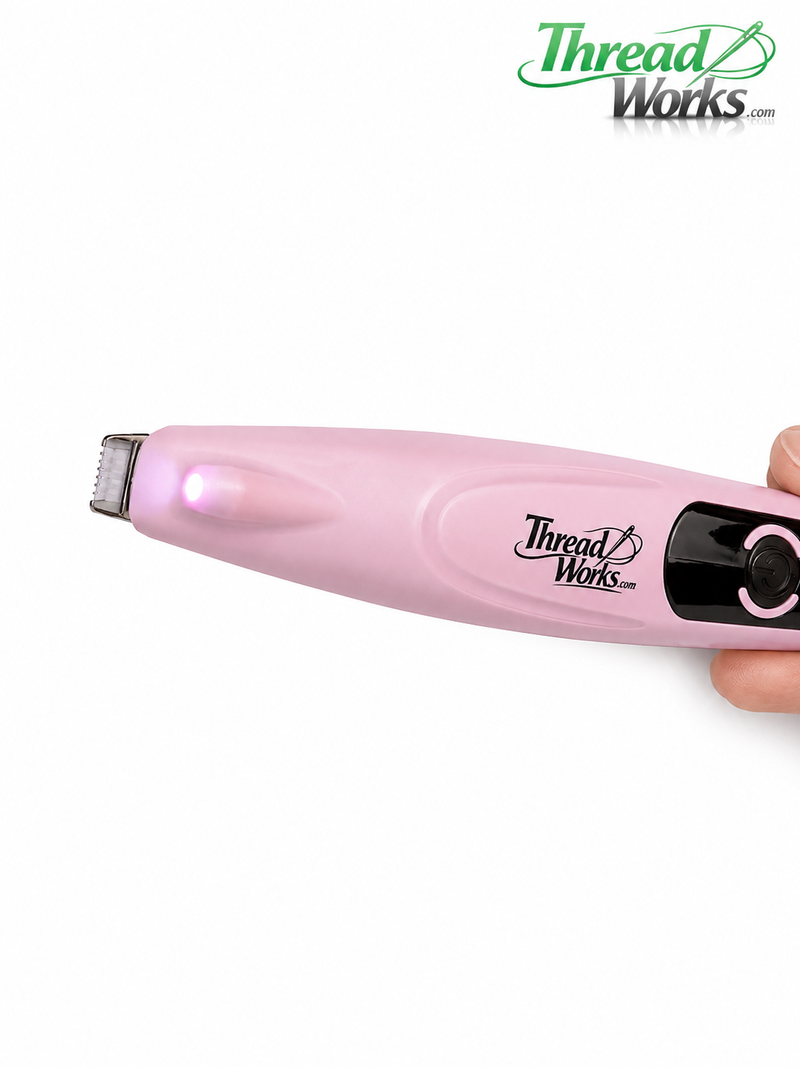
Everyone makes sewing mistakes. A crooked seam, wrong thread color, backwards piece, or incorrect stitch line can happen to anyone.
Rip-A-Stitch helps you remove those stitches faster so you can get back to sewing instead of sitting there picking threads one by one.
Embroidery stitches can be especially time-consuming to remove because designs often have dense stitching and many layers of thread.
Rip-A-Stitch can help break up those stitches more efficiently, making it easier to clean up embroidery mistakes, remove lettering, or take out unwanted designs.
Quilters know the pain of removing long rows of stitching.
Whether you are fixing quilting lines, removing basting stitches, or correcting a section of a quilt, Rip-A-Stitch can help make the process less frustrating.
Alterations often require opening seams, removing hems, taking out stitching, or separating fabric layers.
Rip-A-Stitch is a useful tool for anyone doing garment repairs, tailoring, hemming, or clothing adjustments.
If you sew or embroider for customers, time matters.
Rip-A-Stitch can help reduce the time spent correcting mistakes, cleaning up projects, or removing stitching during alterations.
Rip-A-Stitch is designed to cut thread, but like any sharp sewing tool, it should be used carefully.
For best results, always test on a scrap piece of fabric first and use light pressure. Let the tool do the work instead of forcing it into the fabric.
Used correctly, Rip-A-Stitch can be a major time saver in the sewing room.
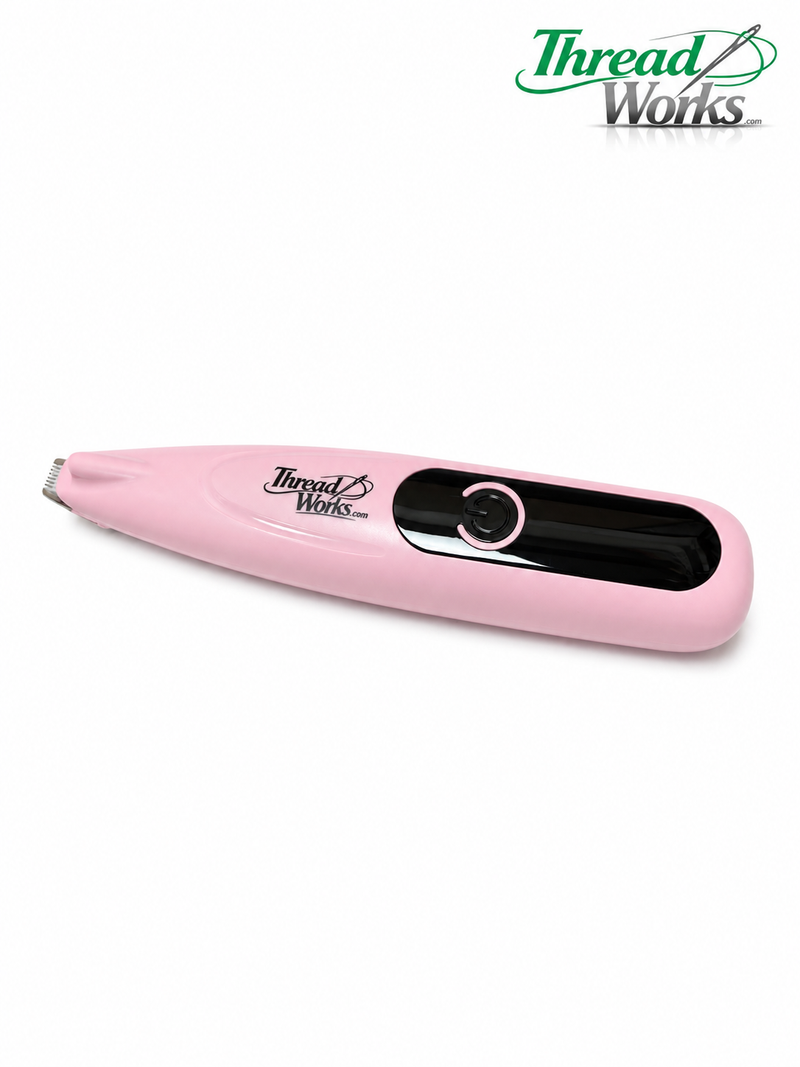
| Feature | Rip-A-Stitch | Traditional Seam Ripper |
|---|---|---|
| Speed | Fast for many stitch removal jobs | Slower by hand |
| Best For | Seams, embroidery, quilting stitches, alterations | Small, precise stitch removal |
| Hand Fatigue | Less hand strain on larger jobs | Can be tiring on long seams |
| Power | Electric, USB-C rechargeable | Manual |
| Visibility | Built-in LED light | No built-in light |
Rip-A-Stitch is a great tool for almost anyone who works with thread and fabric.
Whether you sew for fun or work on customer projects, this is one of those tools you will be glad to have nearby when something goes wrong.
Yes, Rip-A-Stitch can help remove embroidery stitches. Dense embroidery may still require patience and careful cleanup, but the tool can make the process much faster than removing every stitch by hand.
Yes. Rip-A-Stitch is great for opening seams, removing stitch lines, and fixing sewing mistakes.
Yes, but beginners should practice on scrap fabric first. Like any cutting tool, control and light pressure are important.
No. It is useful for quilting, embroidery, garment alterations, repairs, and craft projects.
Not completely. A traditional seam ripper is still helpful for very tiny, delicate, or highly precise areas. Rip-A-Stitch is best when you want to save time on larger or more repetitive stitch removal jobs.
For fine, precise spots, keep a manual seam ripper too: see our seam rippers and tweezers and all notions.
Every sewist, quilter, and embroiderer makes mistakes. The difference is how quickly you can fix them.
The ThreadWorks Rip-A-Stitch Electric Seam Ripper was made to help remove stitches faster, reduce frustration, and get you back to creating.
Whether you are removing embroidery, fixing a seam, opening a hem, or correcting quilting stitches, Rip-A-Stitch is a simple tool that can save a lot of time in the sewing room.
Select 2 or 3 items to compare